
Tera X
Conceived and directed by Novi_sad
• Music by Novi_sad
• Visuals by Barry Dineen (Level 11)
In Greek the word Teras (Τέρας) means monster.
The project is divided in 3 parts:
» Part 1: 00:00’’ – 13:15’’ || morning / bright / high speed of the whale
» Part 2: 13:16’’ – 25:58’’ || afternoon / semi light / medium speed of the whale
» Part 3: 25:59’’ – 39:55’’ || night / dark / low speed of the whale
Tera X navigates the audiences towards and throughout Acoustic and Optical incidences from the daily life of the most lonesome Whale ever lived in the Oceans; the 52 Hz whale. The 52 Hz Whale lives and migrates along the Pacific Ocean’s North-West coast in North America, he is alone, he is constantly mourning and he does not have a partner (no female ever responds). This whale communicates in a frequency other whales can’t hear.
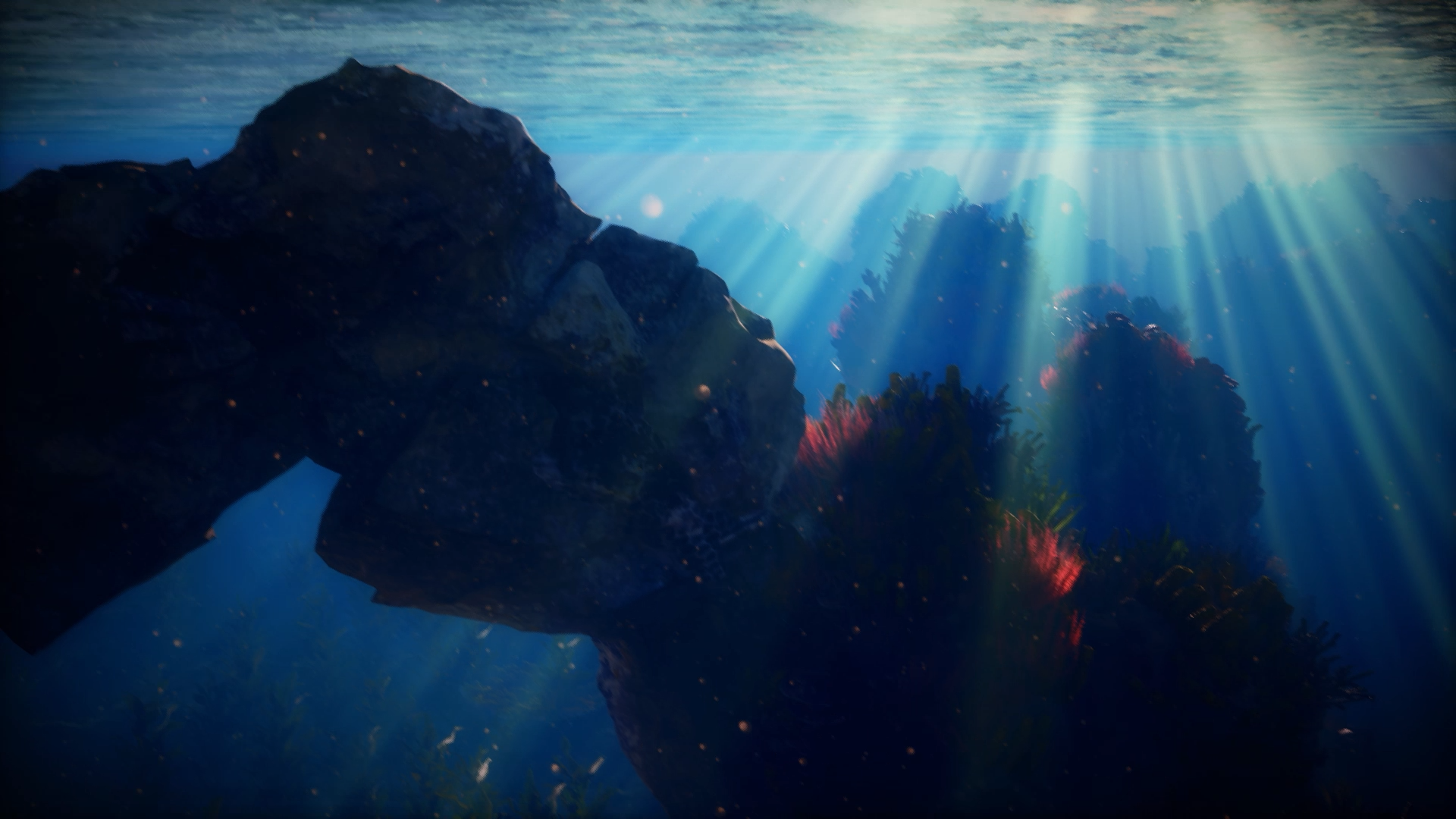
The story begins in 1989. An array of hydrophones called SOSUS built by the U.S. Navy to detect enemy submarines, picked up some strange signals. They were Whale songs, and they were similar to Blue Whale calls, but there was one big difference. While most Whales vocalise at between 17 and 18 Hertz, there was one lonesome Whale that was communicating at a much higher frequency (52 Hz). In 1992, the U.S. Navy released records collected by hydrophones, normally used to track the activity of potentially hostile submarines, which allowed Bill Watkins and a team at Woods Hole Oceanographic Institution to commence logging 52 Hertz’s solitary swimming patterns. After 12 years of observation, the Marine Scientists were able to conclude that the idiosyncratic Whale song was indeed coming from a single source; 52 Hertz was the one and only. In the 2004 paper the researchers published in Deep Sea Research, they noted that not only was his call distinct, but his migration patterns appeared to be “unrelated to the presence or movements of other Whale Species”.
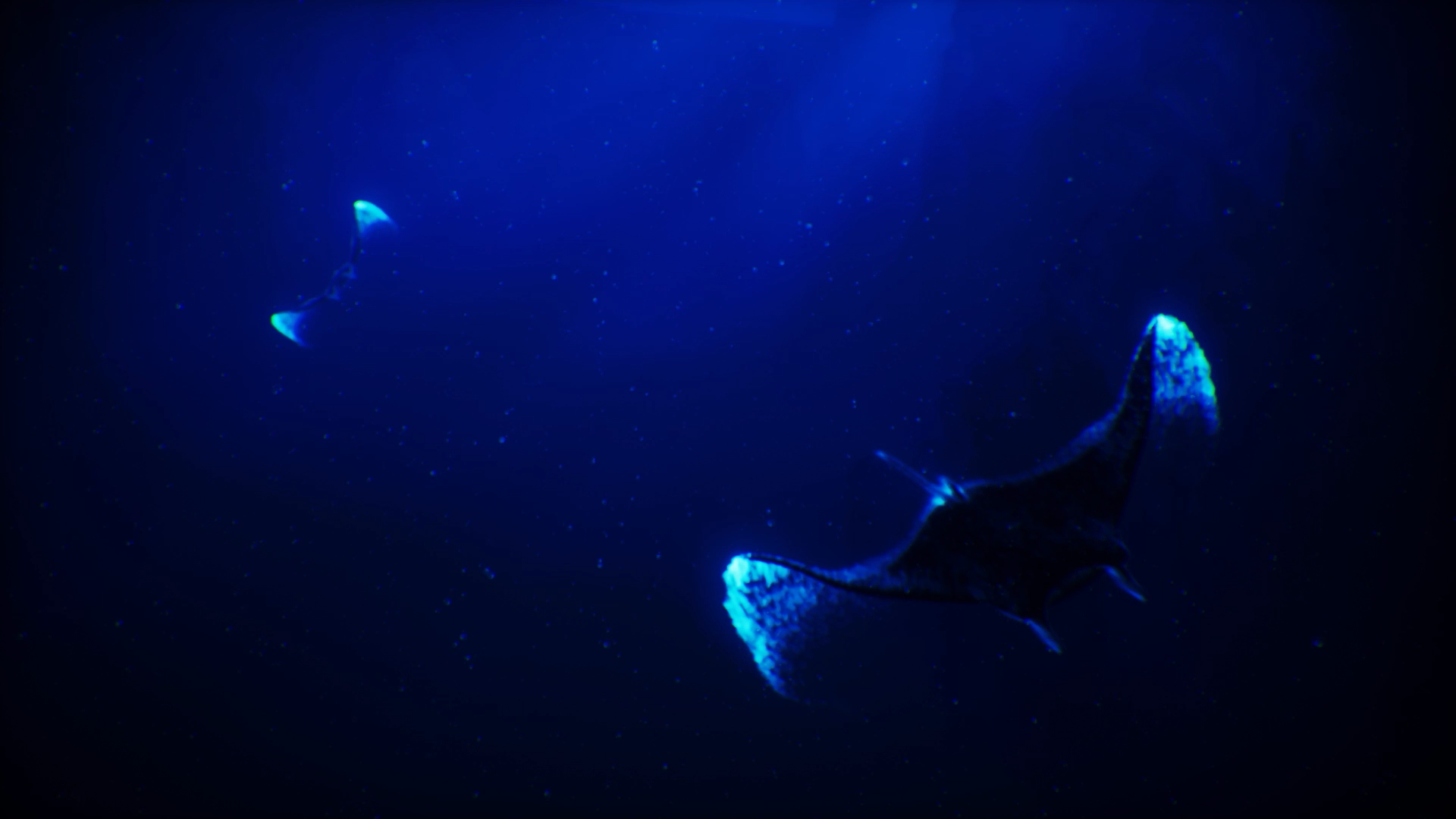
For 30 years he has sung out plaintively in search of a mate, without getting a reply. Tera X migrates up and down the World’s largest Ocean along the Pacific North-West coast of North America. He is a Mammal whose high-pitched call has stopped him finding a mate. He is a lone voice crying out for Love in the wilderness. For years, he has roamed singing unrequited songs of yearning, searching for a soul to share his solitary World.
Some say that it is a deformed Whale, others that it is perhaps a hybrid, resembling a cross between a Blue Whale and another type (a Fin Whale).
Humans are by nature explorers. We know more though about the surface of the Moon than what lies beneath the Ocean. The Ocean and the Outer Space are territories that are almost equally unexplored. We have better maps of the Mars than we do of the mountains and volcanoes in certain parts of the depths of the Ocean. NASA has a much bigger budget than Ocean Exploration Organisations and the majority of discoveries in the depths of the Ocean have taken place by accident.
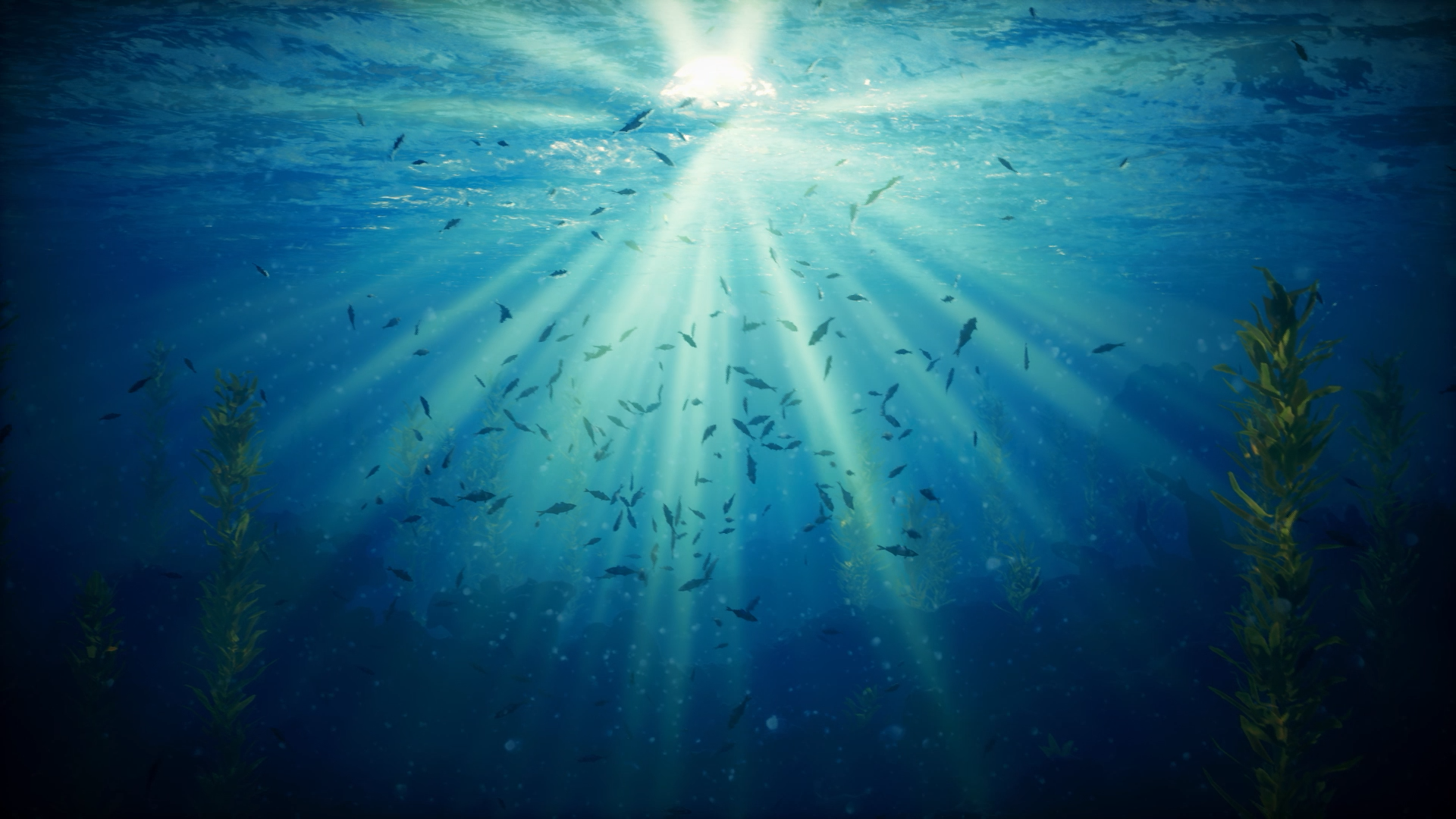
A famous Zen koan asks: ’’what is the sound of one hand clapping’’?
Tera X asks: ’’how is the Whale watching and which are the possible Sonic Extensions (and Excursions) of her sad song’’?
Barry Dineen + Thanasis Kaproulias, trailblazers on Visual and Sound explorations respectively, construct an immersive aquatic topography inside which the human eyes, the human ears and the human senses as a whole (in a holistic juxtaposition), are all being transformed to the eyes, the ears and the Auditory System of this lonesome Whale.
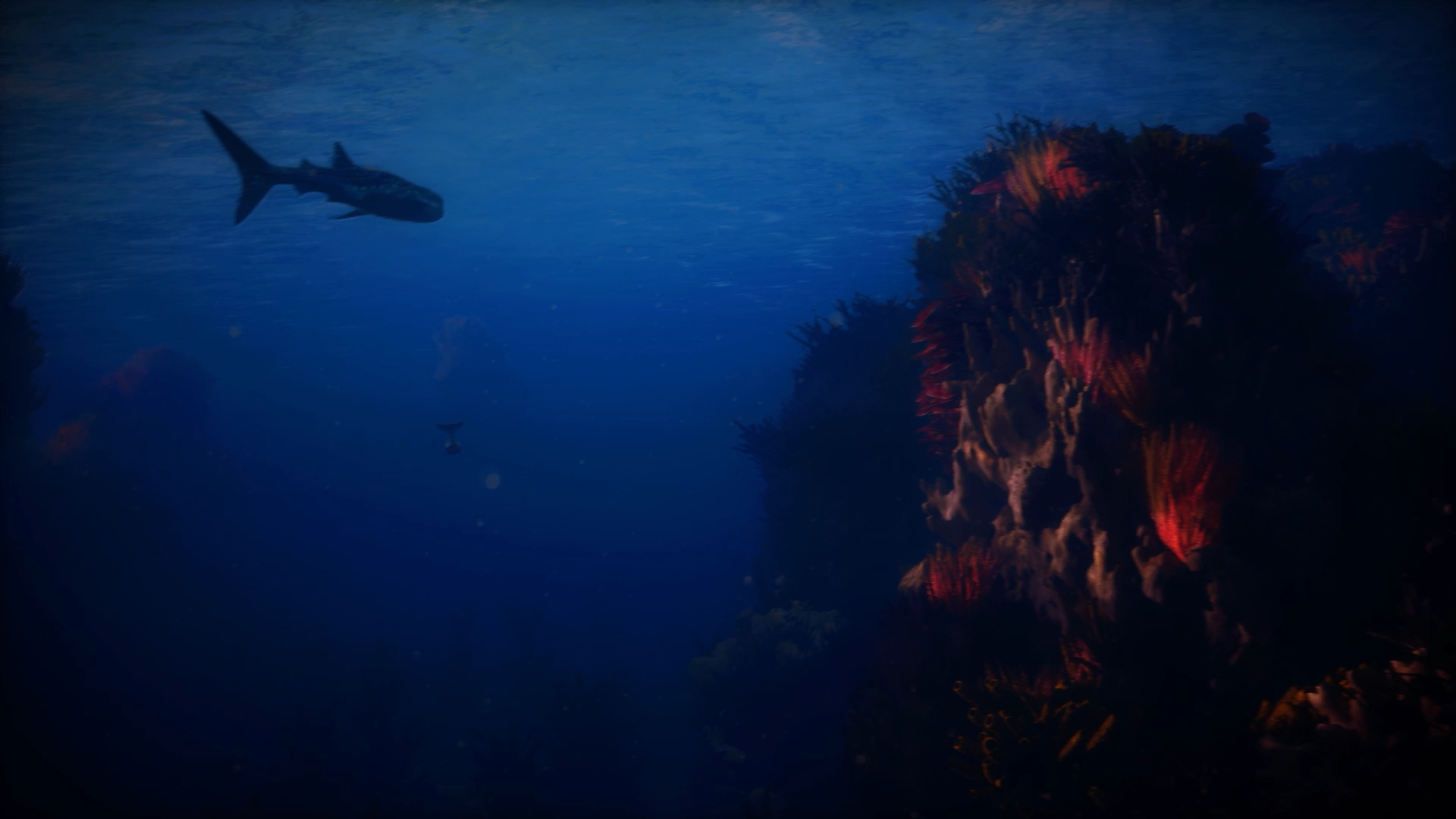
The reason we are able to understand why Whales are able to see is because Scientists and Marine Biologists are able to detect receptors cells in the Whales’ eyes, which are known to contain cones and rods that allow animals to see objects and colours. The advanced development of the Whales eyes allows these Marine Mammals to perceive light in a very effective and efficient manner making it easier for them to see in dark areas and at much greater depths than Land Mammals. Although Whales have receptor cells they appear to have less cones than some land based animals which suggests that they are either colour blind or limited in the amount of colours they are able to perceive.
It is true that we now live in the World of images, but, on Tera X, Barry Dineen is showing a spectacle that has never been shown before. The visitors experience the underwater environment through the Mammal’s eyes and all its determinations and potentialities on the ways of watching (colour wavelengths etc).
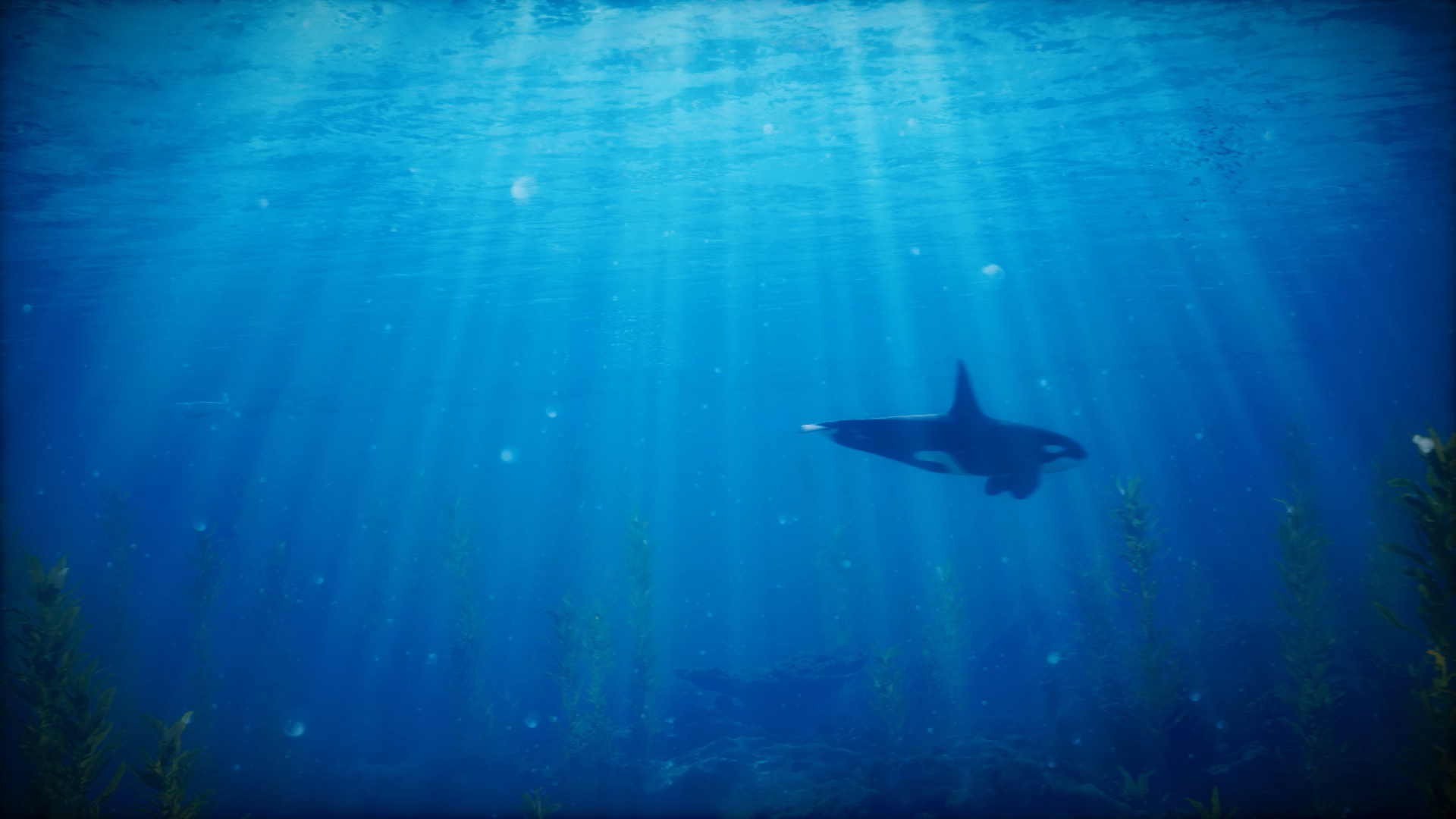
The Videography of Barry Dineen’s work can be considered as a Universal Benchmark in the Computer Generated Digital Art and in Tera X they encompass the harmonic symbiosis with Thanasis Kaproulias’ sound sculptures, by simultaneously enhancing the AudioVisual operation onto an imaginary, yet pre-existed Oceanic Scenery. Through observing the function of the Whale’s sight, Barry Dineen X-articulates the eyes of this Mammal and thus they become the eyes of the spectators. Moreover, Barry Dineen represents the diversity and the abundance of the Plankton. Bathymetric data was collected over a 20 year period by several research ships. The Sound Wave travels through the water, reflects on the seafloor, and travels back to the ship and thus comprehensive maps of the seafloor have been created. Barry Dineen was inspired by this Mantle Magma Hotspot Plume whilst they visually represent the hidden Ocean as perceived from the Whale’s eyes.

Some species are known to have excellent vision allowing them to observe a large majority of their Environment quickly and at great distances. Many species of Whales have amazing hearing and are able to detect sounds from several miles away.
Tera X is one of them.
Marine Scientists filming have found groups of highly sociable fish swarming nearly five miles (7700 metres) beneath the surface. As we dive deeper and deeper into the Ocean where there is less light and the majority of colours begin to look the same, Thanasis Kaproulias utilises sounds from the Challenger Deep (NOAA – National Oceanic and Atmospheric Administration) within the Mariana Trench, 11 kilometres below the surface of the Pacific Ocean.
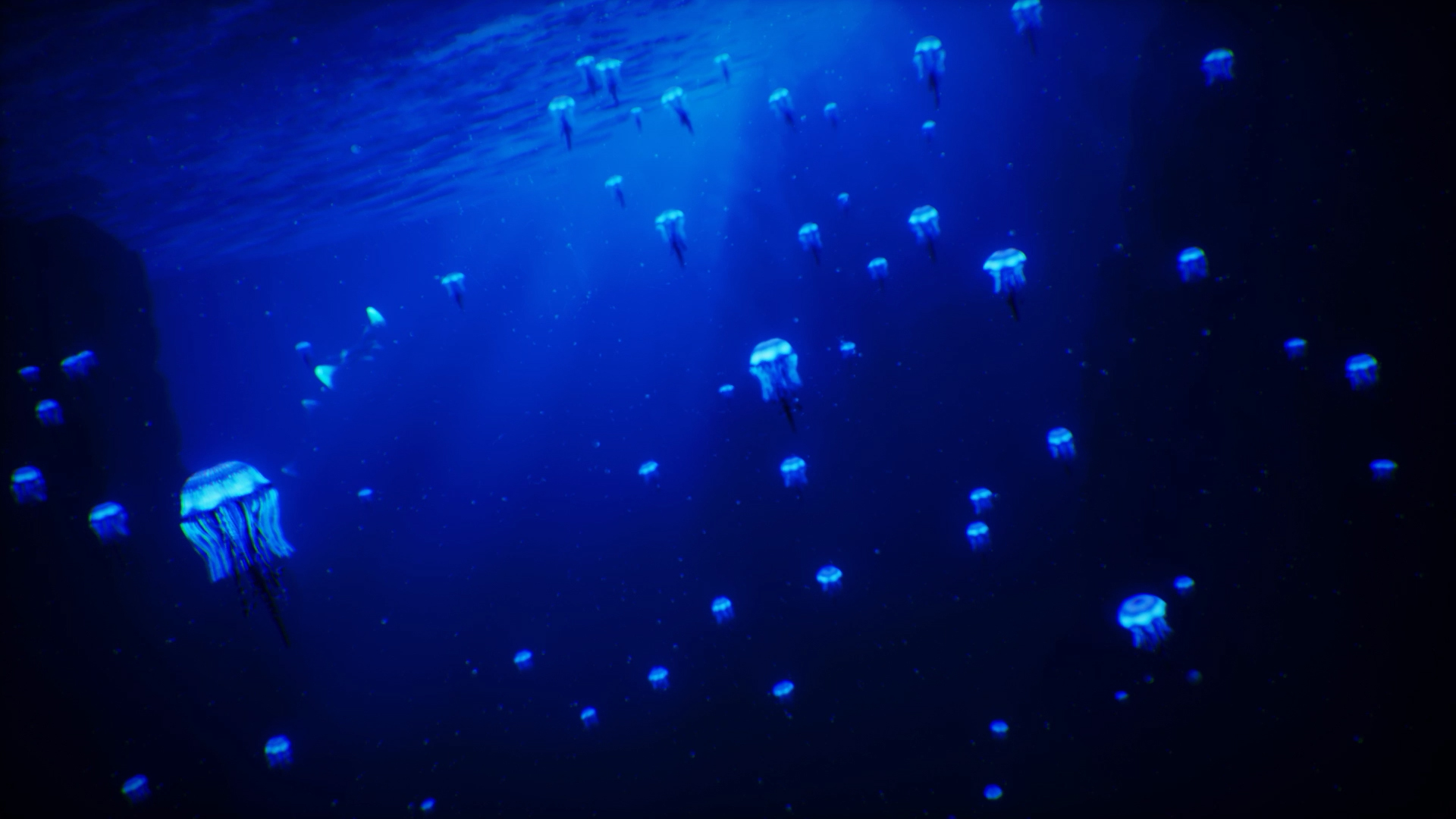
Many Whales have a special ability known as Echolocation which allows them to identify nearby objects in the Ocean using sound. Echolocation works by sending out sounds into the Ocean and listening to the Echoes that return. By measuring the delay between when an Echo was sent out and when it returns, Whales can learn a lot of information about the objects in their surrounding. In addition to listening with their ears, some Whales are able to absorb sound into their jaws in order to improve their sense of hearing. By combining excellent eyesight with the use of Echolocation and an advanced sense of hearing, Whales are able to observe their entire Environment in great detail and are able to gather important information such as being able to predict danger, nearby food supplies, other Whales and many other important factors involved in surviving in the Ocean. They are able to understand how far an object is, how large it is, what direction it’s moving in, whether it’s hollow or solid and how fast it’s moving. By at the same time considering the fact that the Oxygen in the Oceans is being reduced and by also considering the fact that the sound travels 4 times faster in the water than it does on land, this gives Whales a huge advantage in the Ocean compared to the other Marine Animals that do not rely as heavily on Sound.
The speed of sound in salt water is 4 times faster than in air, resulting in a loss of directional hearing – sounds seem to come from everywhere, meaning we cannot orientate by sound anymore.
The Sound on Tera X is a simplified stereo mix of the above described 360ᵒ Spatial Audio.
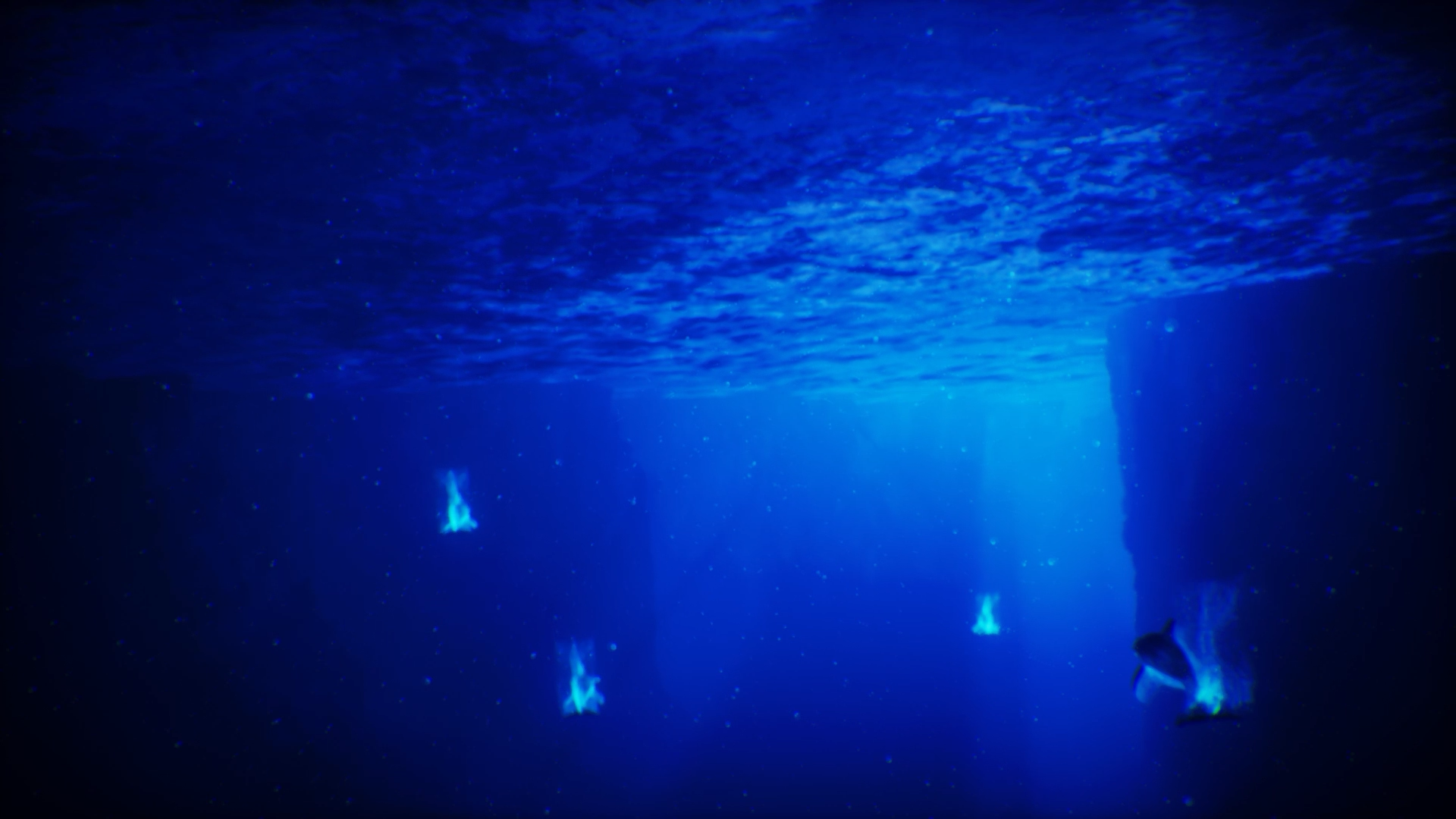
In the depths of the Oceans, there are audible soundscapes for which we know nearly nothing (70% of the Oceans cover our Planet). These are sounds that are unreachable for the human senses, such as Ultrasound. Tera X researches the hidden depths of Audio Environments and Ecosystems which are hard for humans to access, both physically and aurally. Thanasis Kaproulias’ heartbeat slowing and accelerating frequencies are structurally consistent and their tonal ambience, their concrete style abstraction and their melodic Sonicography elucidates the pulses of the Sound by shaping the grey aural tonalities into rhizomes which erupt in a hyper-sonic dream (or nightmare…).
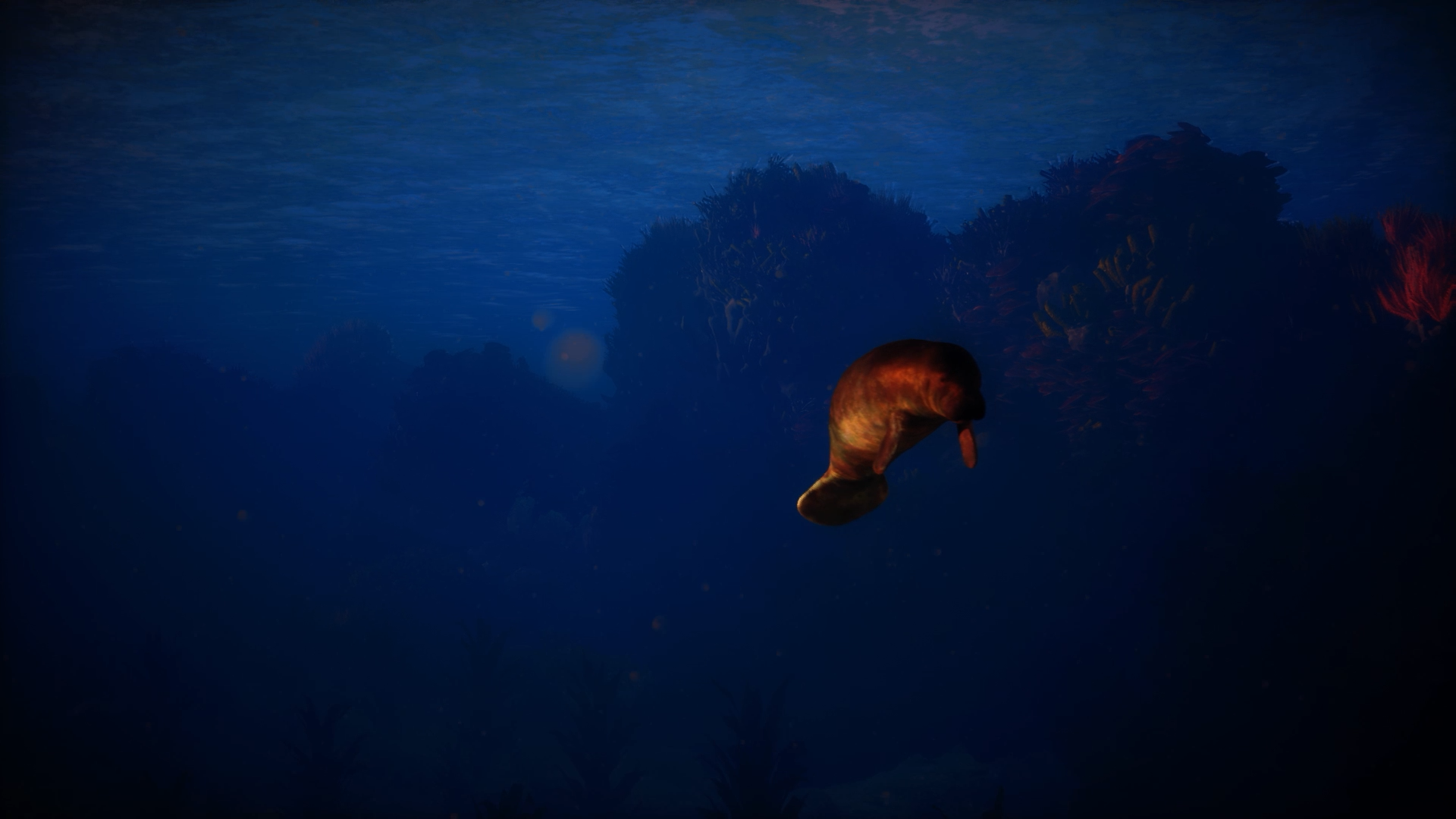
Tera X enables audiences to encounter powerful washes of sound, to encounter a sensory visual exhibition and its harmonic symbiosis with a vast amount of Sonic + Optical signals; and in final analysis, Tera X enables audiences to experience something that they have not viewed or heard before.
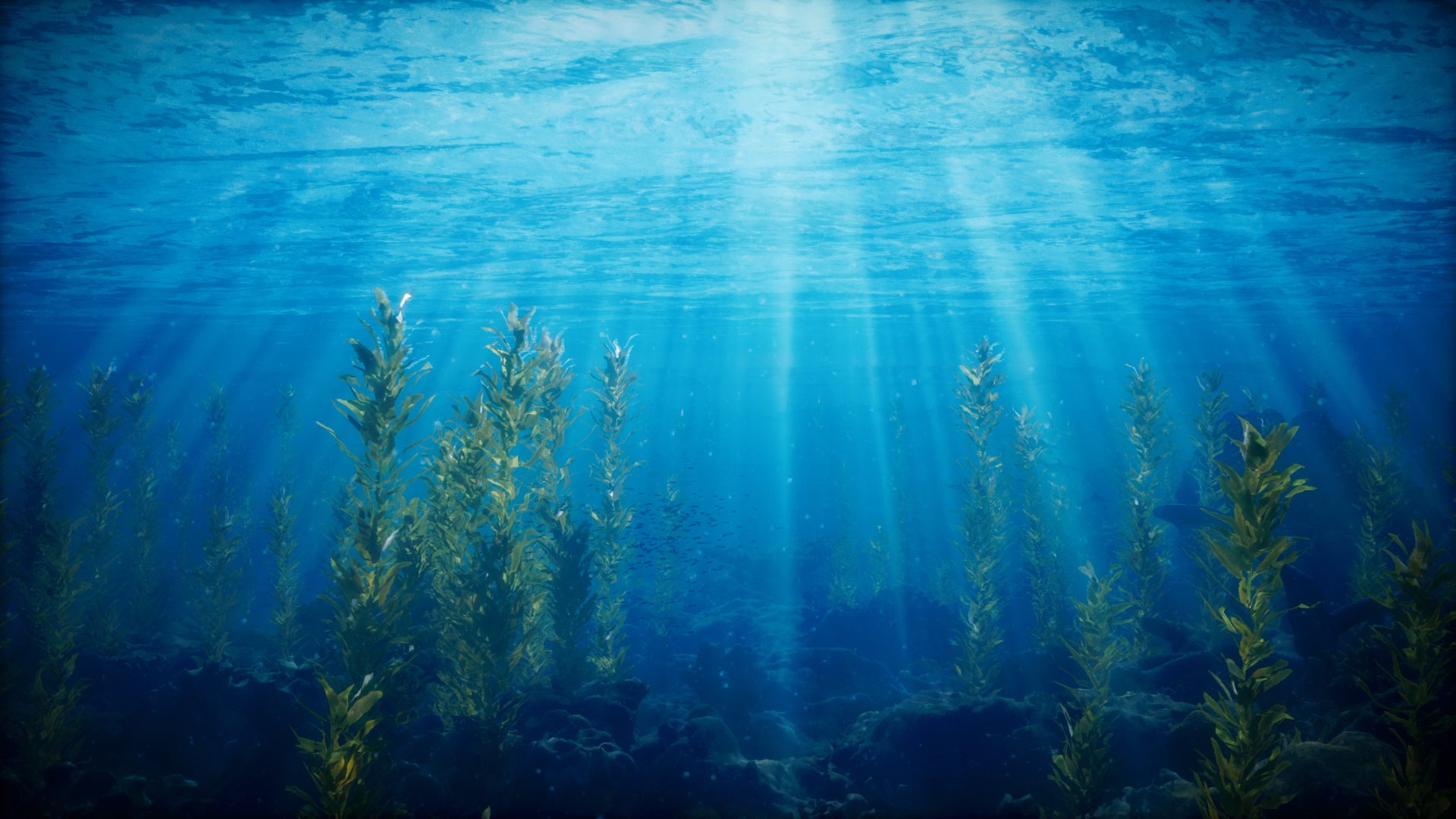
On this unidentified territory called Tera X, Barry Dineen + Thanasis Kaproulias virtualise the Ocean through the eyes, the voice and the ears of the most lonesome Whale ever existed.

For the Lovelorns, the 52 Hertz is a symbol for the romantic vanity in us all. “It’s very sad that so many people identify with this Whale”, says Marine Biologist Mary Ann Daher of the Woods Hole Oceanographic Institution in Massachusetts, who co-authored the original research on the discovery of 52 Hertz. “I receive letters, emails and poems (mostly from Women) and it’s heartbreaking to read some of the things they say. They identify with this Animal who doesn’t seem to fit in anywhere, doesn’t make friends easily, feels alone and feels different from everybody”.
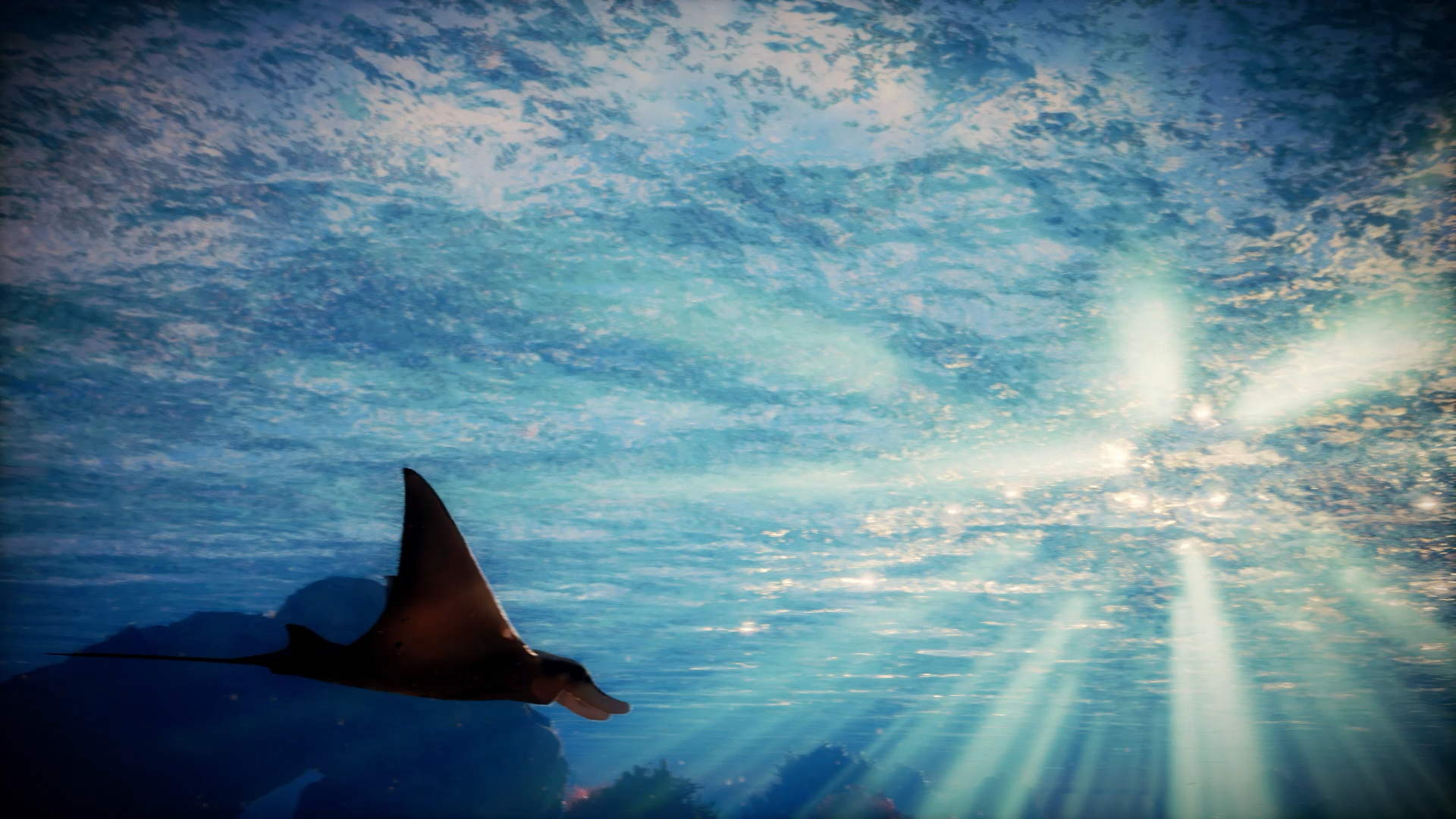
Anton Chekhov has a story called Sorrow about a coachman in the Russian winter who desperately seeks someone to tell the story of his dead son to. Nobody appears to be willing to listen and in the end the only person who will lend him their ears, and which turns out to be the most human of all, is his Horse. The sadness in the story is not due to the Coachman’s tough circumstances, but the impossibility of being able to share them and find somebody’s Empathy. It also proves that Empathy sometimes comes from where you least expect it…
There exactly you find Tera X.
Tera X is the loneliest Whale in the World.
Tera X anthropomorphizes the 52 Hertz Whale.
Tera X is an AALE (Allegoric Aquatic Liquified Environment).
Tera X cries out in long moans into the Abyss of the Deepest Seas.
It is impossible not to be moved by this Whale, which has spent many years swimming in the North West Pacific Ocean and looking for someone to talk to.
Tera X is a grieving soul looking for a Way Out.
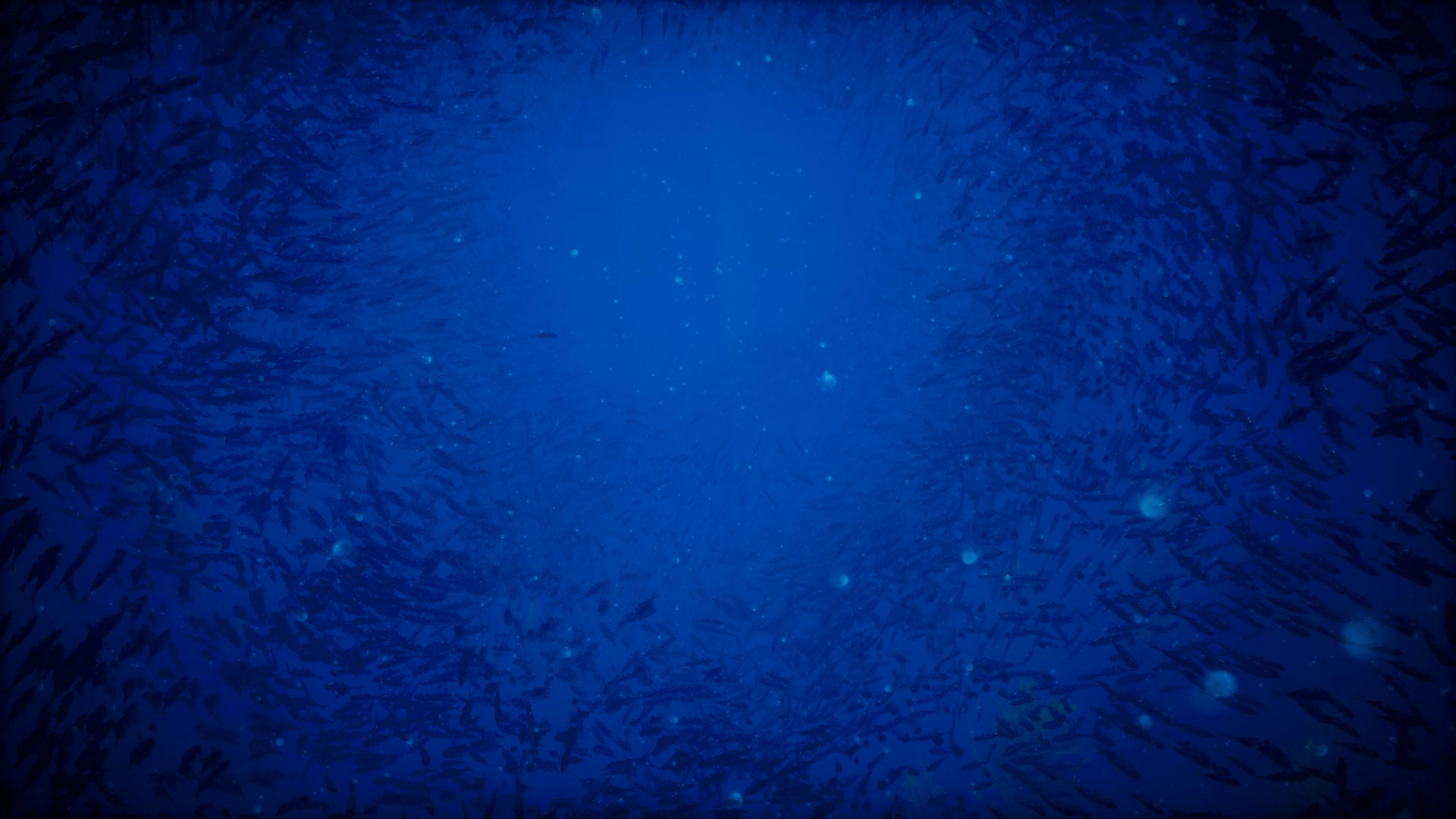
NOTES ABOUT THE VISION OF THE WHALES
• Most mammals have dichromatic vision. They can see colour, but they cannot discriminate along the red-green axis.
• Whales, unlike nocturnal rodents or ourselves, see the world in monochrome. Leo Peichl at the Max Planck Institute for Brain Research co-authored a paper with the nearly tragic title, ’’For whales and seals the ocean is not blue’’. Indeed, the first thing that we can know for sure about how whales see the world is that it exists only in shades of gray.
• The water we see as blue they would see as black. ’’They do want to see the background. They want to see animals on the background. And the animals on the background are reflecting light that’s not blue’’, Johnsen explained. If we try to imagine what that might look like, Johnsen said perhaps we could picture a grayscale photograph of people wearing fluorescent clothes under a black light.
• When it comes to the optics of whale eyes, the first difference we should note is that its cornea – the outermost layer of the eyes – doesn’t help it nearly as much as ours helps us. We live in air, which has a different refractive index than the material of the cornea. When light enters our cornea, it bends inward. You know how pencils appear to bend when you put them in a glass of water? That’s refraction, and our eyes exploit it to help focus photons on the central part of our retinas. Johnsen told me roughly 70 percent of the work of focusing light on our eyes is done by the cornea before the light even reaches the lens. But that’s a clever terrestrial trick. In water, the refractive index of the cornea and water are roughly the same, which means that marine mammals don’t get that pencil-going-into-water light bending help. ’’The lens has to do everything in the whale eye’’, Peichl said. While our lenses are flattish, theirs are circular in order to provide sufficient focus.
• Now, when we talk about the resolution with which whales see the world, it helps to bring back the video camera metaphor for eyes. Whales, like other mammals, are trying to balance the sharpness of their eyes with their sensitivity. Sharp vision requires lots and lots of individual photoreceptors. But in low-lighting conditions, it’s hard for the photoreceptors to gather enough photons. The image gets ’’noisy’’.
• The whale’s big cornea and large pupil opening means that it has a huge aperture. It’s gathering up a lot of photons.
• And it’s got a biological mirror at the back of its eye, the tapetum lucidum, which is helping it capture even more light than our own eyes can.
• If normal human good vision is 20/20, a whale might rank somewhere like 20/240.
• That sounds pretty bad, but if you, like me, have a glasses prescription of -5.00, you almost certainly have worse visual acuity than a normal minke whale.
• Trying to imagine what a whale might see becomes even more difficult when we take into account the actual eye positioning for most whales. Whale eyes are located on the sides of their heads.
• This is roughly the opposite of our own visual system.
• They don’t have binocular vision.
• Their ocean is not blue.
• ’’The whale, therefore, must see one distinct picture on this side, and another distinct picture on that side; while all between must be profound darkness and nothingness to him’’.
• Whales only have one cone, which is sensitive to green light, so they see in black and white in light and dark.
• They live in the deep blue sea, but whales and dolphins can’t actually see the colour blue. Most mammals have two types of cells in their eyes, called cones, that pick out blue and green light.
• ’’Whales only have one cone, which is sensitive to green light, so they see in black and white in light and dark’’, Fasick said. They have one cone and one rod, both of which are sensitive to light in the blue/green range of the colour spectrum. ”They match their cones and rods to the colour of the water. To them, everything is bright’’, explained Fasick. This means that anything that looks blue or green to the human eye is invisible in the water to whales. The one colour that whales can see as a dark shape in their bright, watery environment is red. Copepods, the main food source for right whales, are red, allowing whales to see a group of them as a dark mass.
• They do not have binocular vision. They have to angle their heads to see what is directly in front of them. Still, they do have eyes and are certainly able to use them. Whales have slightly flattened eyeballs with an enlarged pupil.
• The advanced development of the whales eyes allows these marine mammals to perceive light in a very effective and efficient manner making it easier for them to see in dark areas and at much greater depths than land mammals.
’’The Sea, once it casts its spell, holds one in its net of wonder forever’’.
Jacques-Yves Cousteau
[ All images © Barry Dineen ]
©2005-26 Novi_sad. All Rights Reserved. novi-sad [at] novi-sad [dot] net
Site Credits: Theming and design by Novi_sad
photos by Novi_sad + Zhang Jian, profile by Mr. Comfort